
January 22, 2026
15 min read
Not every organization with AI is an Autonomous Organization. Most are just using AI tools. There's a difference—and understanding it changes everything.
An Autonomous Organization has five pillars. All five must be present. Miss one, and you're not autonomous—you're just automated.
Here's what separates the two.
Pillar 1: Orchestrated Intelligence
The Problem: You have five AI agents. Each one is smart. But they don't talk to each other. They work in silos. They duplicate work. They contradict each other. They create chaos.
The Solution: Orchestrated Intelligence means your agents coordinate. They share context. They know what the others are doing. They avoid conflicts. They act as a unified system, not a collection of individuals.
In Practice: Agent A is writing a proposal. Agent B is doing research. Agent C is managing your calendar. They coordinate: Agent B feeds research to Agent A. Agent C blocks time for Agent A to review the proposal. They work together.
Without This Pillar: You have smart tools that don't coordinate. You're the coordinator. You're the bottleneck.
Pillar 2: Institutional Memory
The Problem: Your AI forgets everything when you close the window. You've had the same conversation fifty times. You've given the same instructions a hundred times. Nothing sticks.
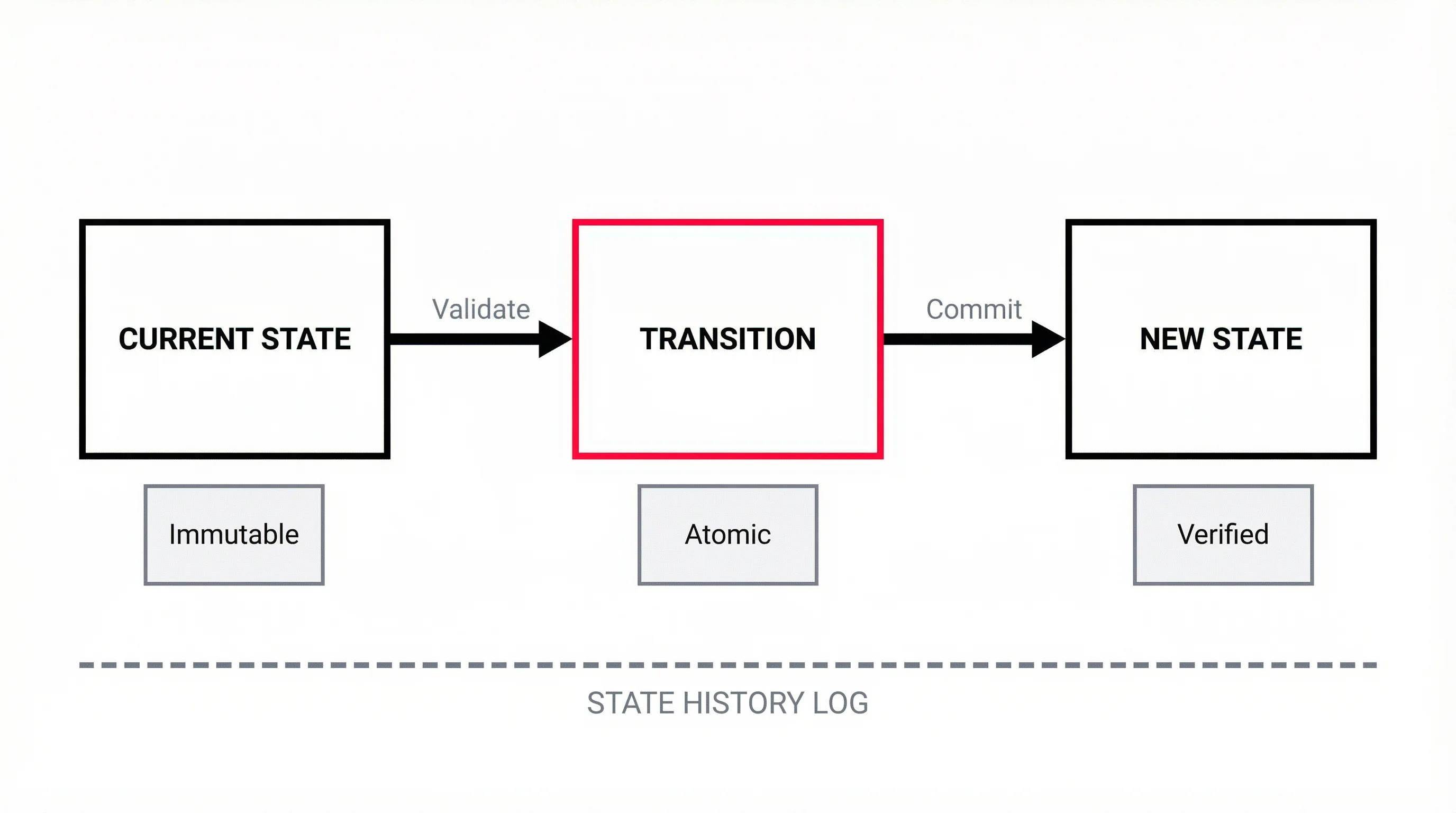
The Solution: Institutional Memory means your organization remembers. Not just during a session. Forever. Decisions, context, preferences, history—all persistent. All accessible.
"Memory compounds. Every interaction makes the system smarter."
In Practice: You tell your AI once how you like proposals formatted. It remembers. You introduce a new client. It remembers their preferences. You make a strategic decision. It remembers the rationale.
Without This Pillar: You're constantly re-teaching your AI. Every session starts from zero. You're not building on the past—you're repeating it.
Pillar 3: Human Governance
The Problem: AI operates without boundaries. It makes decisions you didn't authorize. It acts in ways you didn't intend. You've lost control.
The Solution: Human Governance means humans retain ultimate authority. You set the boundaries. You define what's allowed. You can override any decision. You can audit any action. You can disconnect at any time.
In Practice: Your AI can send emails, but not to clients without approval. It can book meetings, but not on weekends. It can make purchases, but not over $500. You define the rules. It operates within them.
Without This Pillar: You're trusting AI with unchecked authority. That's not autonomy—that's abdication.
Pillar 4: Defined Agency
The Problem: Your AI doesn't know its role. It tries to do everything. It's unclear what it's responsible for. It's unclear what it's allowed to do. Ambiguity creates paralysis.
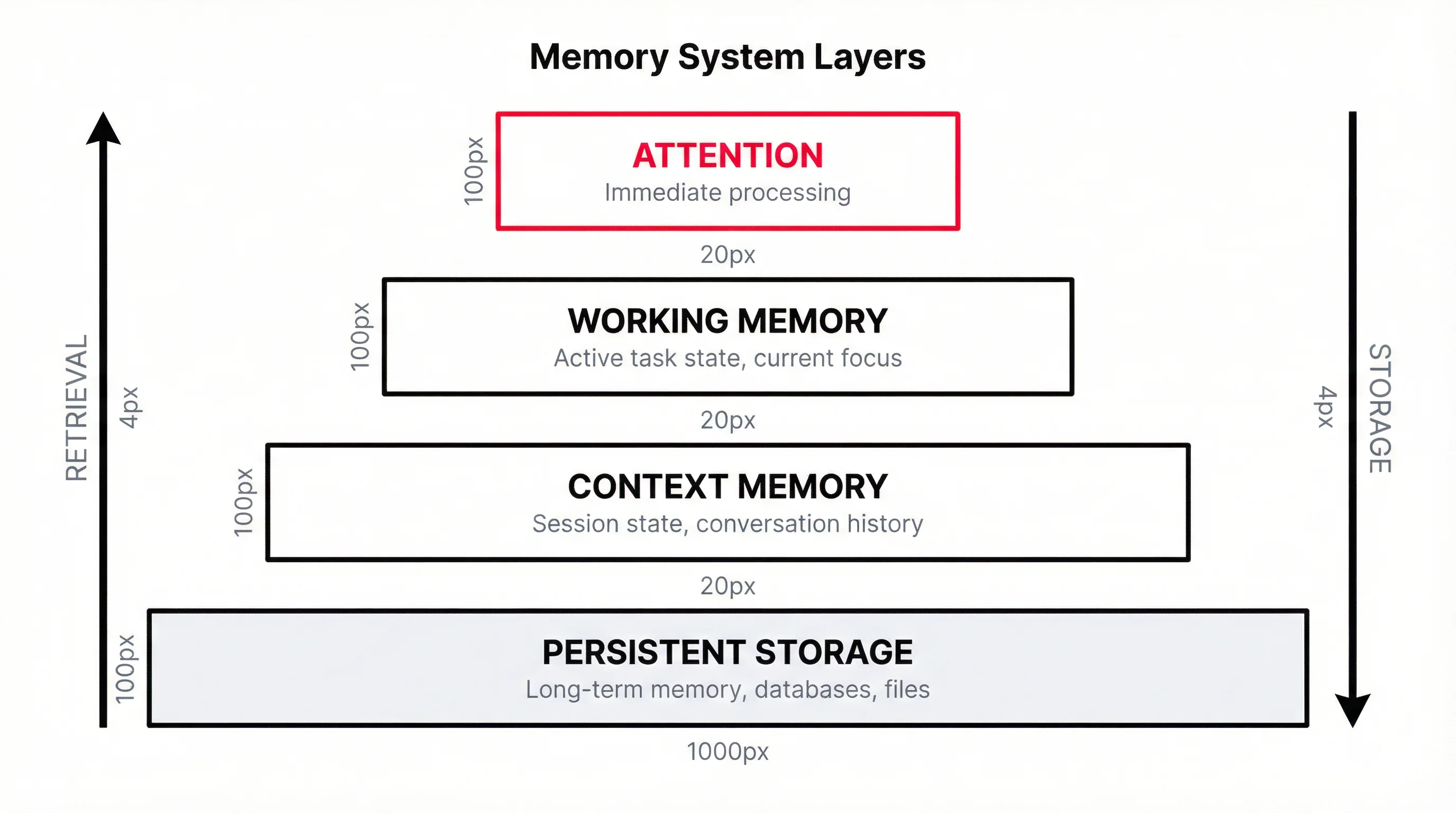
The Solution: Defined Agency means every agent has a clear role, defined responsibilities, and explicit constraints. No ambiguity. Everyone (human and AI) knows who does what.
In Practice: Agent A handles customer support. Agent B manages operations. Agent C does research. Each has a clear mandate. Each knows its boundaries. Each executes its role.
Without This Pillar: Your AI is a generalist trying to do everything and excelling at nothing. Specialization creates excellence.
Pillar 5: Operational Autonomy
The Problem: Your AI waits for prompts. It never acts independently. It's reactive, not proactive. You're still doing all the work—you're just using AI to help.
The Solution: Operational Autonomy means your AI executes its responsibilities without constant human intervention. It monitors. It detects. It decides. It acts. Within its defined boundaries.
"Automation executes commands. Autonomy executes responsibilities."
In Practice: Your customer support agent monitors the inbox. A question arrives. It researches the answer. It drafts a response. It sends it (or escalates if outside its authority). You didn't prompt it. It just handled it.
Without This Pillar: You're not autonomous—you're just automated.
The Maturity Model
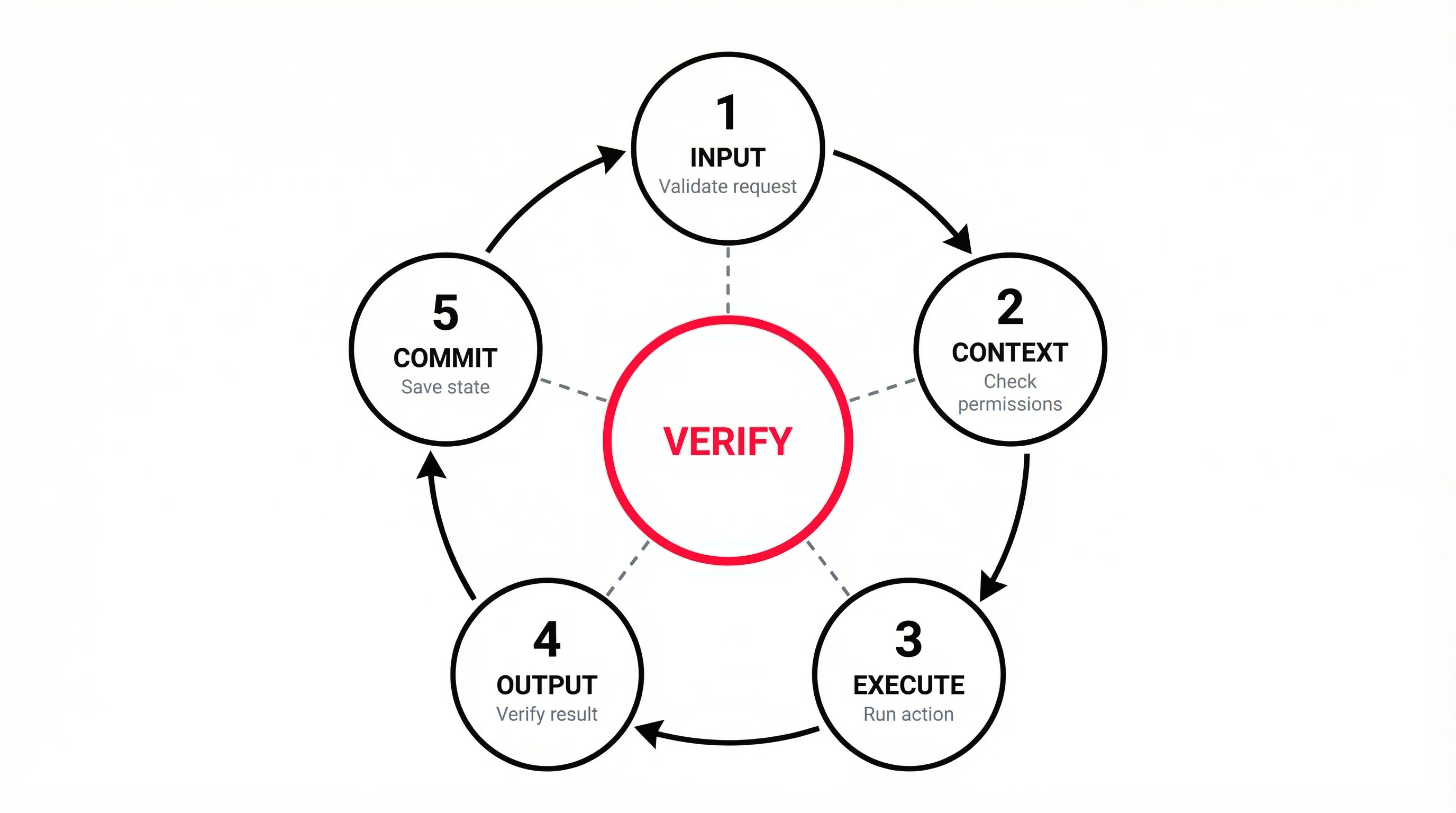
Organizations evolve through five levels:
- →Level 1: Assisted - AI tools augment human work
- →Level 2: Automated - Agents execute defined workflows
- →Level 3: Autonomous - Agents operate independently within domains
- →Level 4: Adaptive - Agents learn and propose strategy
- →Level 5: Generative - Agents create new capabilities
Most organizations are at Level 1. A few are at Level 2. Almost none are at Level 3 or above.
ArmadaOS gets you to Level 3.
The Standard
This is the Autonomous Organization Standard (AOS-1.0). It's open. It's free. Anyone can implement it.
But if you want the easiest path, ArmadaOS is the canonical implementation.
Five pillars. One standard. The future of business.